If your dog has a habit of incessantly licking and chewing at their paws, you've likely wondered if using paw wipes and/or rinses would be beneficial. While both wipes and rinses can offer some degree of relief by helping to temporarily alleviate the surface-level irritation and by cleaning off surface allergens, neither product addresses the root cause of the itching; i.e., the allergic reaction itself.


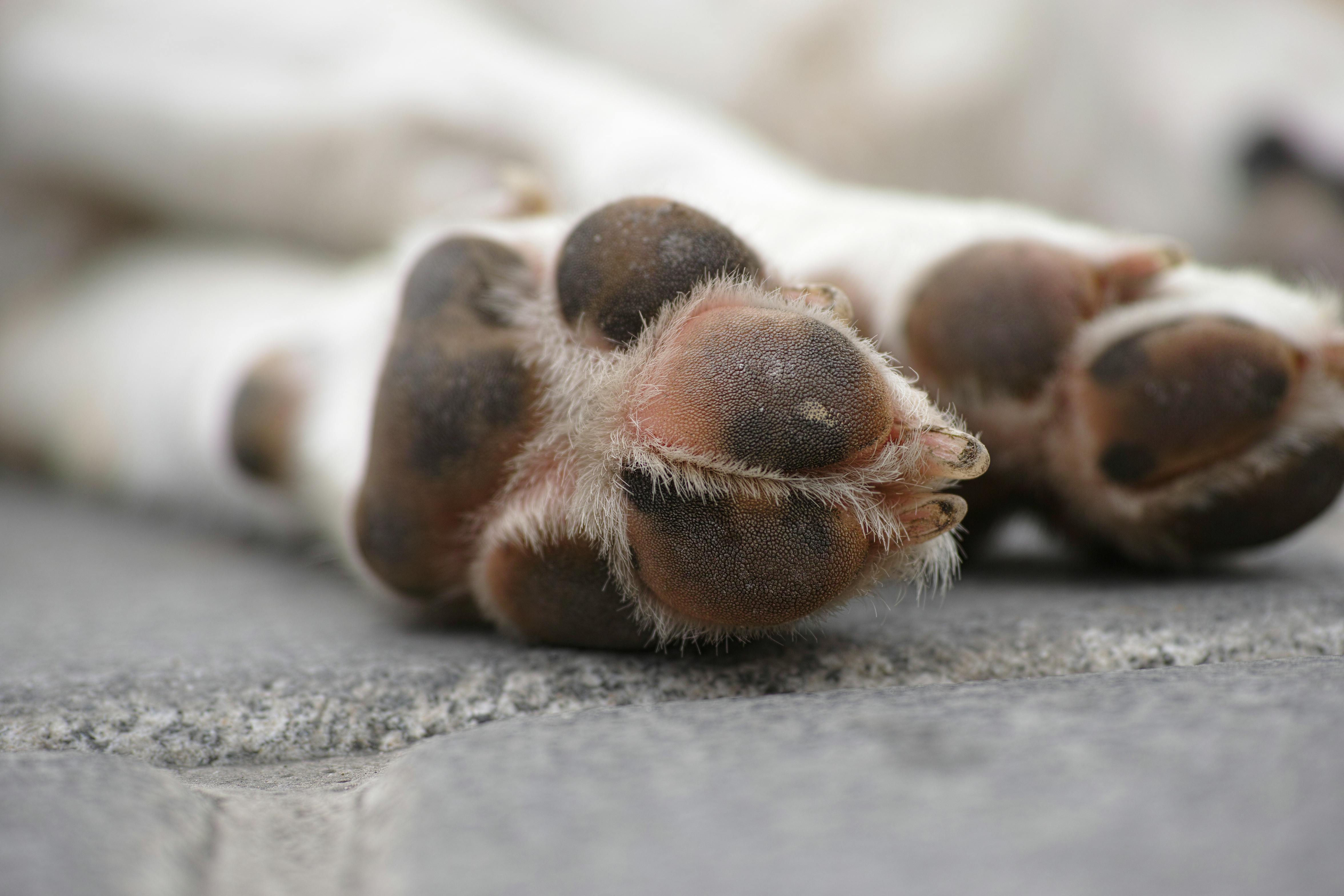

If your dog has a habit of incessantly licking and chewing at their paws, you've likely wondered if using paw wipes and/or rinses would be beneficial. While both wipes and rinses can offer some degree of relief by helping to temporarily alleviate the surface-level irritation and by cleaning off surface allergens, neither product addresses the root cause of the itching; i.e., the allergic reaction itself.
• Paw wipes remove allergens like pollen and dust after walks
• Medicated rinses can soothe irritation and help with mild infections
• Neither wipes nor rinses can effectively treat the underlying allergy-related cause of the itching
• Persistent paw chewing is usually a sign there’s an underlying problem that needs vet attention
Paws are ground zero for environmental allergies. Every walk means direct contact with grass, pollen, mold, and other irritants that cling to the skin between the toes. For dogs with allergies, this triggers itching and inflammation, which leads to relentless licking and chewing that damages the skin and breeds infection.
Paw wipes clean your dog's paws after time outdoors by removing pollen, dust and allergens before they cause irritation. Some contain soothing ingredients like aloe or oatmeal.
Best for: Daily maintenance during allergy season. Wiping paws after every walk reduces allergen exposure and may cut down your dog’s paw licking.
Limitations: Wipes clean the surface but won't treat infections or provide lasting relief. If your dog’s paws are already red, swollen or raw, wipes alone won't fix the underlying issue.
Paw rinses work similarly to wipes in that they cleanse your dog’s paws; however, in addition to cleansing, rinses introduce a topical application of a medicated ingredient ((often chlorhexidine, ketoconazole, or diluted povidone-iodine) to combat mild infections, bacterial or fungal overgrowths and recurring irritation.
Best for: Recurring paw irritation, early signs of infection or stubborn itching that wipes don't help minimize.
Limitations: Rinses often take more effort than wipes and are still topical. They manage mild issues but won't stop the itch if allergies are driving it from the inside.
It is highly unlikely that either wipes or rinses will resolve the issue of itchy paws. Both products address surface symptoms and allergies are a systemic response to allergens; but neither prevents your dog’s body from reacting to an allergen. Additionally, not all wipes are created equally and many contain fragrances that may irritate sensitive skin; Only hypoallergenic and vet-approved products are recommended.
When a dog continues to chew their paws repeatedly, they damage the skin barrier, letting bacteria and yeast move in, which often causes more itching and more chewing. Wipes and rinses help with prevention and mild flare-ups, but moderate to severe cases usually need prescription medication to break the cycle at its source.
Paw wipes and rinses are helpful tools, but are limited in their impact. If your dog's paws are red and swollen, have a strong odor, show hair loss or raw spots, or if the licking and chewing just won't stop despite your effort this means your dog needs professional vet care.
A veterinarian can diagnose the underlying cause of your dog’s itchy paws (i.e., allergies, infections, etc.) and develop a treatment plan that may include prescription medications such as Apoquel, antibiotics, or medicated soaks.
Otis offers convenient online care with veterinarians who are experts in dog allergy treatment and management. Otis vets can evaluate your dog's symptoms, recommend the right approach, and prescribe medications like Apoquel through same-day virtual visits—so you can skip the long waits and stressful car rides.